 Written by
 Traumatic brain injuries are among the most serious and life-altering injuries that can result from a Chicago accident. Unlike a broken bone that heals in weeks, a brain injury can permanently change how you think, feel, communicate, and function. These cases require specialized legal handling because proving the full extent of a brain injury, and the lifetime costs associated with it, is far more complex than a typical injury claim.
What Is a Traumatic Brain Injury?
A traumatic brain injury (TBI) occurs when an external force causes damage to the brain. This can happen through:
- Direct impact: The head strikes a steering wheel, window, pavement, or other object
- Rapid acceleration/deceleration: The brain moves inside the skull during a sudden stop or collision (coup-contrecoup injury)
- Penetrating injury: An object pierces the skull and enters the brain
- Blast injury: Pressure waves from explosions (rare in civilian cases)
TBI Severity Levels
- Mild TBI (concussion): Brief or no loss of consciousness, confusion, headache, dizziness. Symptoms usually resolve within weeks but can persist for months (post-concussion syndrome).
- Moderate TBI: Loss of consciousness for minutes to hours, extended confusion, cognitive and behavioral changes. May require hospitalization and rehabilitation.
- Severe TBI: Extended unconsciousness or coma, significant brain damage visible on imaging. Often results in permanent disability requiring lifelong care.
Symptoms That May Indicate a Brain Injury
Brain injuries are frequently missed or misdiagnosed because initial symptoms can be subtle:
Physical Symptoms
- Headaches that persist or worsen
- Dizziness and balance problems
- Nausea or vomiting
- Fatigue and sleep disturbances
- Sensitivity to light and noise
- Blurred or double vision
- Ringing in the ears
- Seizures
Cognitive Symptoms
- Difficulty concentrating or remembering
- Feeling mentally foggy or slow
- Trouble finding words or following conversations
- Difficulty with planning and decision-making
- Problems with multitasking
Emotional and Behavioral Symptoms
- Irritability and mood swings
- Anxiety and depression
- Personality changes
- Social withdrawal
- Impulsive behavior
- Lack of awareness of deficits
If you or a loved one experienced any of these symptoms after a Chicago accident, seek a neurological evaluation immediately. Early diagnosis and treatment improve outcomes and strengthen your legal claim.
Common Causes of TBI in Chicago
- Car accidents: The most common cause of TBI. Even with airbags and seatbelts, the force of a collision can cause the brain to strike the inside of the skull.
- Truck accidents: The extreme force of commercial vehicle collisions frequently causes severe TBI.
- Motorcycle and bicycle accidents: Without the protection of an enclosed vehicle, riders are especially vulnerable to head injuries.
- Pedestrian accidents: Being struck by a vehicle and hitting the pavement is a leading cause of severe TBI.
- Falls: Slip-and-fall accidents on dangerous premises, construction site falls, and stairway falls.
- Assaults: Physical attacks causing head trauma, particularly in cases involving inadequate security on premises.
Why TBI Cases Require Specialized Legal Handling
Brain injury claims are among the most challenging personal injury cases for several reasons:
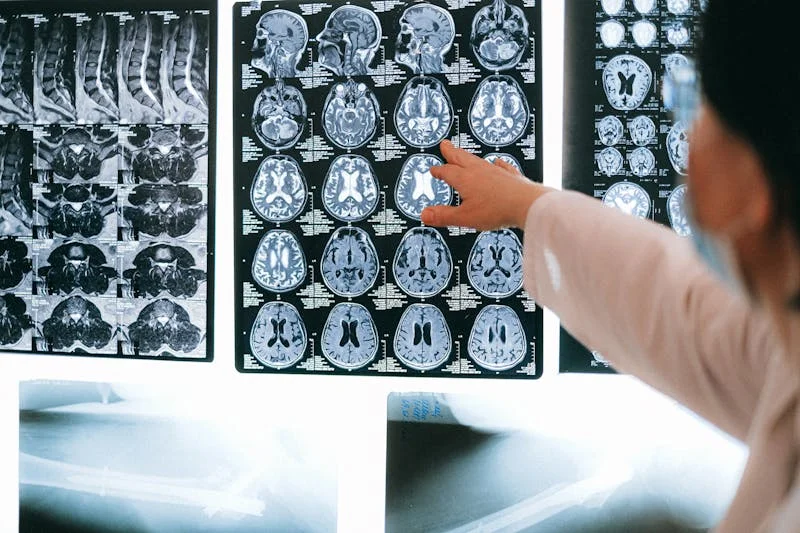
- Invisible injury: Unlike a broken bone visible on X-ray, mild and moderate TBI may not show on standard CT scans. Advanced imaging (MRI with DTI, PET scans) and neuropsychological testing are needed to document the injury.
- Disputed causation: Insurance companies argue symptoms are caused by stress, depression, or pre-existing conditions rather than the accident.
- Delayed symptoms: TBI symptoms can emerge days or weeks after the accident, creating a gap that insurers exploit.
- Lifetime costs: Severe TBI can require decades of medical care, rehabilitation, supervision, and lost earning capacity totaling millions of dollars.
- Expert testimony: Neurologists, neuropsychologists, life care planners, and economists are needed to document the injury and project lifetime costs.
Lifetime Costs of Traumatic Brain Injury
The CDC estimates that lifetime costs for a person with severe TBI can exceed $3-4 million. These costs include:
- Acute medical care: Emergency surgery, ICU stays, and hospitalization (often $100,000-$500,000+)
- Rehabilitation: Inpatient and outpatient cognitive, physical, occupational, and speech therapy
- Ongoing medical care: Neurology follow-ups, medication management, seizure monitoring
- Residential care: Some TBI survivors require supervised living facilities
- In-home assistance: Caregivers, home health aides, and family members providing daily support
- Lost earning capacity: TBI survivors often cannot return to their previous occupation or any employment
- Assistive technology: Cognitive aids, communication devices, and adaptive equipment
Damages in TBI Cases
- All past and future medical expenses
- Rehabilitation and therapy costs
- In-home care and residential facility costs
- Lost wages and lifetime earning capacity
- Pain and suffering
- Cognitive and emotional impairment
- Loss of enjoyment of life
- Loss of consortium for the spouse and family
- Permanent disability
Because of the potential for lifetime care needs, TBI verdicts and settlements in Cook County frequently reach seven figures for moderate to severe cases.
Building a Strong TBI Claim
- Get a neurological evaluation as soon as possible. Do not accept a normal CT scan as proof you do not have a brain injury. Request MRI and neuropsychological testing.
- Document symptoms daily. Keep a journal of headaches, memory problems, concentration issues, mood changes, and how they affect your work and daily life.
- Follow all treatment recommendations. Attend every appointment, complete cognitive rehabilitation, and take prescribed medications.
- Get testimony from people who know you. Family, friends, and coworkers can describe changes in your personality, memory, and abilities since the accident.
- Hire an attorney experienced in TBI cases. These cases require medical experts, life care planners, and economists to establish the full scope of damages.
Frequently Asked Questions
Can I have a brain injury if I did not lose consciousness?
Yes. Many concussions and mild TBIs occur without loss of consciousness. Confusion, disorientation, headache, and memory problems are sufficient symptoms to indicate brain injury.
My CT scan was normal. Does that mean I do not have a brain injury?
Not necessarily. CT scans detect bleeding and swelling but miss many brain injuries. MRI with diffusion tensor imaging (DTI) and neuropsychological testing are more sensitive tools for detecting TBI.
How long does it take to recover from a TBI?
Mild concussions typically resolve within 2-12 weeks. Moderate TBI recovery can take months to years. Severe TBI often results in permanent deficits that require lifelong management.
What is a life care plan?
A life care plan is a document prepared by a medical professional that projects all future medical, therapeutic, and support needs for a TBI survivor. It is used to calculate the lifetime cost of care and present that number to the jury or insurance company.
Related Reading
- Best Brain Injury and TBI Lawyers in Chicago
- Best Catastrophic Injury Lawyers in Chicago
- PTSD and Anxiety After a Chicago Crash
This article provides general information and is not legal advice. If you or a loved one suffered a brain injury in a Chicago accident, contact us for a free consultation.