
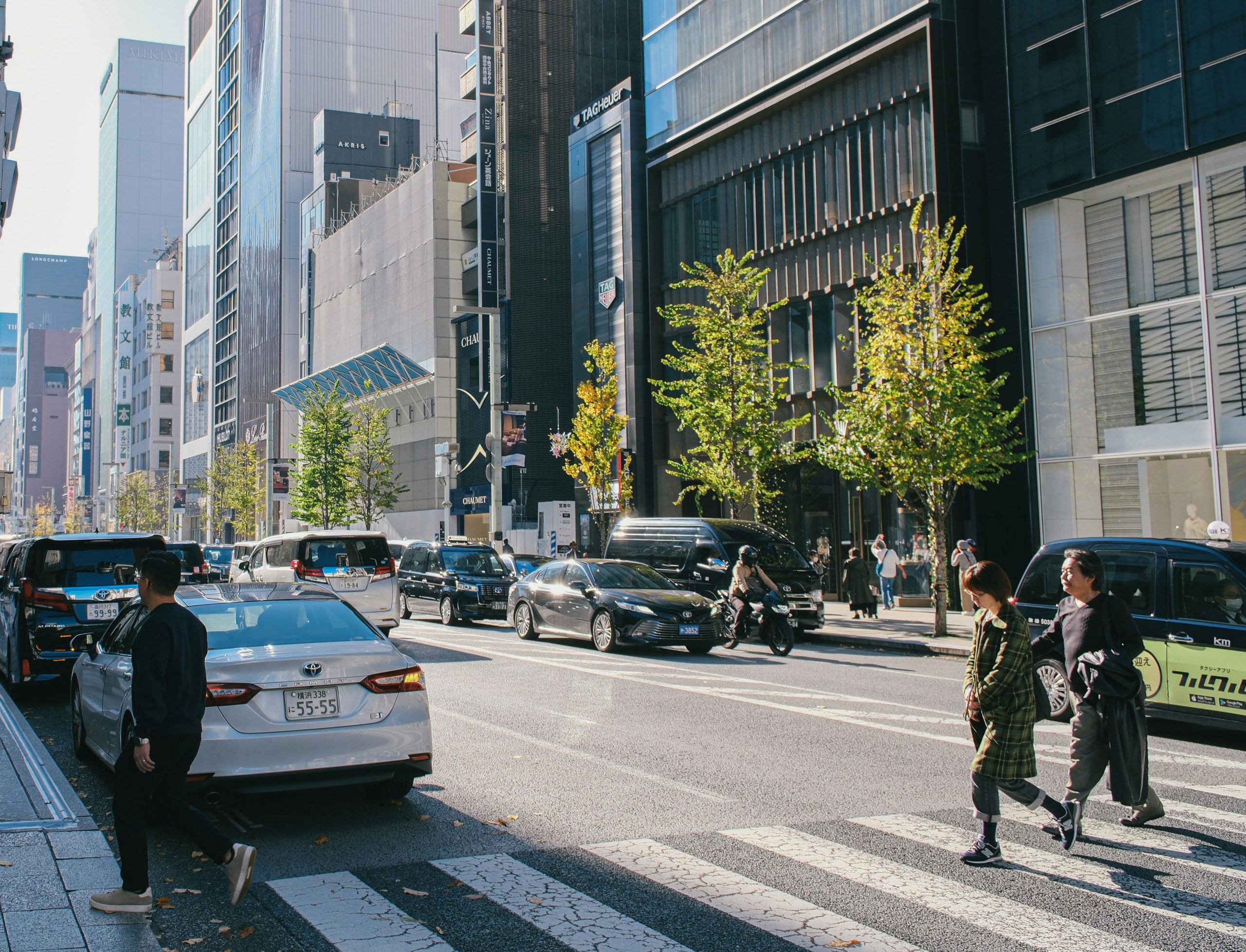
Pedestrians are among the most vulnerable road users in Chicago. When a person on foot is hit by a vehicle, injuries are often severe, and fault disputes can be complex. This guide explains pedestrian right‑of‑way rules, how fault is determined, what evidence matters, and how compensation works in Illinois.
Quick answer: Do pedestrians have the right of way in Chicago?
Often, yes—especially in marked crosswalks and at intersections with pedestrian signals. But pedestrians also have duties, and fault can be shared if a pedestrian crosses against signals or outside a crosswalk. The key is what the law required in that specific situation.
Common causes of pedestrian accidents in Chicago
- Drivers failing to yield at crosswalks
- Right‑turn‑on‑red collisions
- Distracted driving (phones, GPS)
- Speeding through intersections
- Low visibility or poor lighting
- Impaired driving
Pedestrian right‑of‑way basics (Illinois rules)
Illinois law generally requires drivers to yield to pedestrians in crosswalks and at intersections where pedestrian signals permit crossing. Drivers must also exercise due care to avoid hitting pedestrians. At the same time, pedestrians must obey signals and should not suddenly leave a place of safety and enter the path of a vehicle that cannot yield safely.
When pedestrians may share fault
Pedestrian cases are not always one‑sided. Fault may be shared if a pedestrian:
- Crossed against a “Don’t Walk” signal
- Crossed outside a marked or unmarked crosswalk in heavy traffic
- Entered the roadway suddenly or unexpectedly
- Was impaired or distracted
Illinois uses a modified comparative fault rule. If a pedestrian is more than 50% at fault, recovery is barred; if 50% or less, recovery is reduced by the percentage of fault. Learn more: Illinois Comparative Fault Rule (51% Bar).
Evidence that matters in pedestrian claims
- Police report and citations
- Traffic‑camera footage or nearby security video
- Witness statements from drivers and pedestrians
- Photos of the crosswalk, signals, and scene
- Medical records connecting injuries to the crash
For a documentation checklist, see How to Document a Car Accident Claim in Illinois.
Common injuries in pedestrian accidents
Because pedestrians have no physical protection, injuries can be severe. Common injuries include:
- Head injuries and concussions
- Fractures (arms, legs, ribs, pelvis)
- Spinal and back injuries
- Soft‑tissue injuries
- Emotional trauma
Related: Brain Injuries by Car Accidents, Chicago Fracture Injury Claims After a Car Accident, and PTSD and Anxiety After a Chicago Crash: Claim Guide.
Damages in pedestrian accident claims
Compensation may include:
- Medical bills and future care
- Lost wages and reduced earning capacity
- Pain and suffering
- Emotional distress
- Rehabilitation and long‑term care needs
See Compensation Basics in Illinois Car Accident Claims for more detail.
What to do after a pedestrian accident in Chicago
- Call 911 and seek immediate medical care.
- Get the driver’s information and insurance details.
- Ask witnesses for names and contact info.
- Photograph the crosswalk, signals, and roadway.
- Report the crash to police and obtain the report number.
Uninsured or hit‑and‑run drivers
Pedestrian crashes sometimes involve uninsured or hit‑and‑run drivers. In these cases, uninsured motorist coverage may apply through your own policy or a household policy. Documentation is critical. Learn more: Uninsured Motorist Claims in Chicago and Hit‑and‑Run Car Accidents in Chicago.
How long do pedestrian claims take?
Timelines depend on injury severity and fault disputes. Serious injuries often require longer treatment, which can extend the claim. See: Illinois Car Accident Claim Timeline.
Frequently asked questions
What if I crossed outside a crosswalk?
You may still recover, but fault could be shared. The question is whether you acted reasonably and whether the driver had time to avoid the crash.
What if the driver says they didn’t see me?
Drivers have a duty to keep a proper lookout. Visibility issues do not automatically eliminate liability.
Do pedestrian cases have higher settlement values?
They can, because injuries are often severe. But value still depends on liability, documentation, and insurance coverage.
Bottom line
Pedestrian accidents can be devastating. Chicago law provides strong protections, but claims depend on evidence and fault analysis. If you or a loved one was hit by a vehicle, prompt medical care and documentation are critical to protecting your rights.
If you want to discuss your case or next steps, start here: Chicago Car Accident Lawyer.