


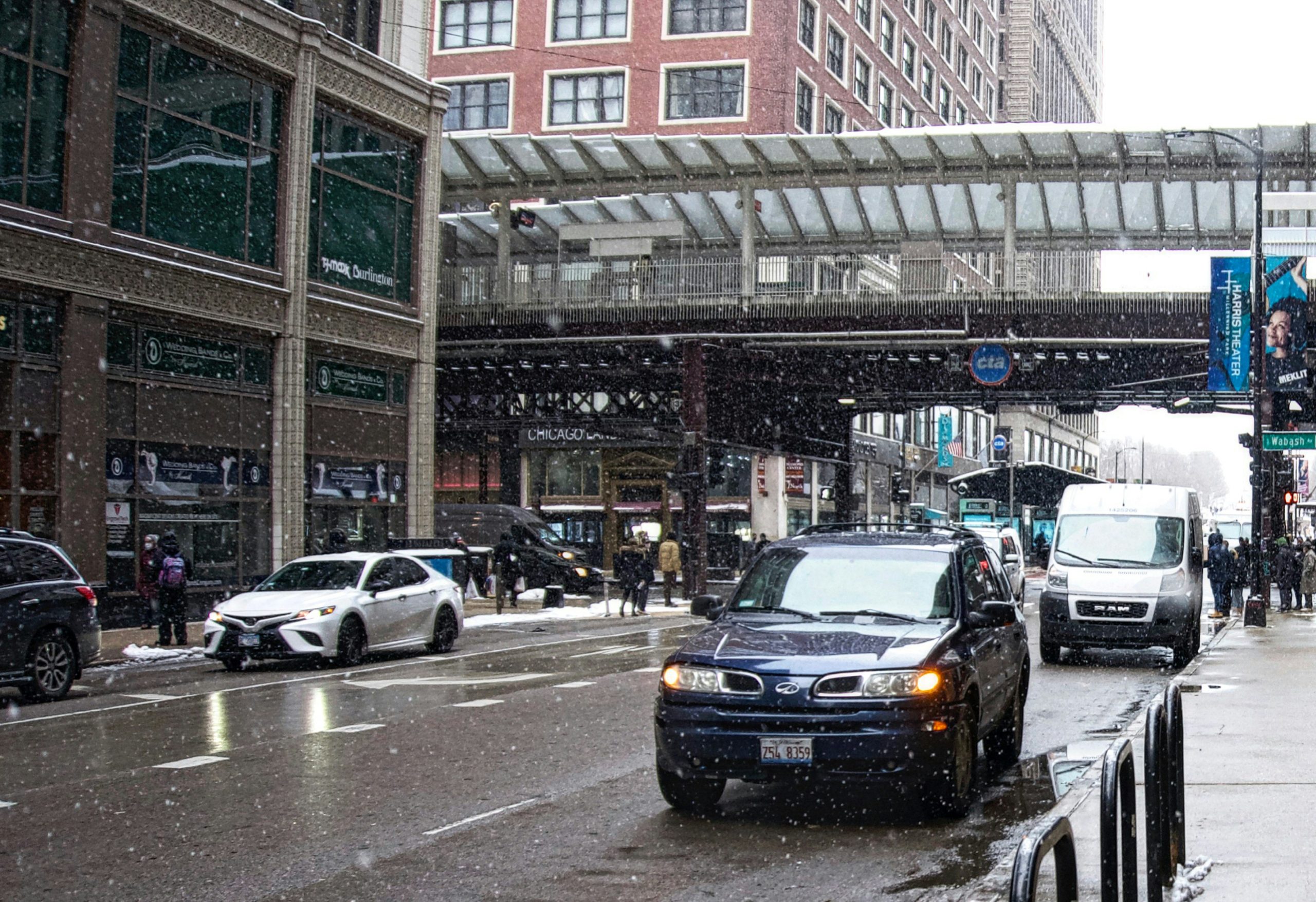
Left‑turn and intersection crashes are some of the most common—and most disputed—car accidents in Chicago. Fault often comes down to split‑second timing: who had the light, who entered first, and whether a driver failed to yield. Because these cases are so contested, the right evidence and the right documentation can make a major difference in your claim.
Quick answer: Who is usually at fault in a left‑turn crash?
In Illinois, a driver turning left generally must yield to oncoming traffic that is close enough to pose a hazard. If a left‑turning driver cuts across oncoming traffic and causes a crash, they are often found primarily at fault. But fault is not automatic. If the oncoming driver was speeding, ran a red light, or was otherwise unsafe, fault can be shared.
Why left‑turn crashes are so common in Chicago
Chicago traffic is dense, intersections are busy, and drivers are often impatient during peak hours. Left‑turn crashes spike at busy intersections because:
- Drivers misjudge oncoming speed.
- Traffic signals change quickly or visibility is limited.
- Right‑of‑way confusion at unprotected green lights.
- Congestion causes risky turns to “beat” the next light.
When a left‑turn crash happens, the question becomes: who had the legal right of way at that moment?
Right‑of‑way basics for left turns in Illinois
Illinois law requires left‑turning drivers to yield to oncoming traffic that is close enough to be an immediate hazard. In plain language: if an oncoming car is close, you must wait. If the oncoming car is far enough away and you can complete your turn safely, you may proceed. This standard is often the foundation of liability in left‑turn crashes.
Protected vs. unprotected left turns
- Protected left (green arrow): The left‑turning driver has the right of way and oncoming traffic must stop.
- Unprotected left (solid green light): The left‑turning driver must yield to oncoming traffic and pedestrians in the intersection.
Many Chicago intersections use unprotected left turns during rush hours, which increases risk and disputes.
Intersection accidents aren’t just left turns
Intersection crashes also include T‑bone collisions, red‑light crashes, and right‑of‑way disputes at stop signs. If your crash happened at a busy crossing, it may involve more than one factor: turning, signal timing, and driver behavior.
Related reading: Red and Yellow Light Accidents in Chicago.
How fault is determined in a left‑turn or intersection crash
Fault in Chicago intersection crashes is determined by a combination of:
- Traffic laws: Who had the right of way?
- Evidence at the scene: Positions of vehicles, skid marks, debris.
- Witness statements: Independent witnesses can be decisive.
- Signal timing: Whether one driver ran a red light or turned late.
- Speed and visibility: Did a driver approach too fast to be safe?
Common fault scenarios in Chicago left‑turn crashes
1) Left‑turn driver fails to yield
This is the most common pattern. A driver turns across oncoming traffic and is hit. If the oncoming driver had a green light and was traveling safely, the left‑turn driver is usually at fault.
2) Oncoming driver runs a red light
If the oncoming driver runs a red light or enters the intersection illegally, they may be at fault—even if the other driver was turning left. Evidence like traffic‑camera footage or witness statements can be critical here.
3) Oncoming driver speeding or distracted
Speeding can shift fault. If a left‑turn driver misjudges speed because the other car is driving too fast, fault can be shared. This is where comparative fault arguments appear.
4) Blocked visibility
Large vehicles, parked cars, or weather conditions can block visibility and make it hard to judge distance. Even so, drivers must turn only when safe. Poor visibility often leads to shared fault claims.
Illinois comparative fault and how it affects intersection crashes
Illinois uses a modified comparative fault system. If you are more than 50% at fault, you recover nothing. If you are 50% or less at fault, your compensation is reduced by your percentage of fault. This matters in left‑turn and intersection cases because fault is often split.
Learn more: Illinois Comparative Fault Rule (51% Bar).
Evidence that matters most in left‑turn and intersection cases
Because fault is usually disputed, evidence can make or break your claim.
- Police report: Includes initial observations, citations, and witness info.
- Photos and video: Signal position, lane markings, skid marks, vehicle angles.
- Witness statements: Independent accounts add credibility.
- Traffic cameras: Some Chicago intersections have cameras that capture the crash.
- Vehicle data: Event data recorders may show speed or braking.
For a full checklist, see How to Document a Car Accident for a Strong Claim.
Common injuries in left‑turn and intersection crashes
Intersection crashes often involve side‑impact forces, which can cause serious injuries. Common examples include:
- Whiplash and neck strain
- Back injuries and herniated discs
- Head injuries or concussions
- Fractures (ribs, arms, or legs)
Related reading: Whiplash After a Chicago Car Accident and Brain Injuries by Car Accidents.
What to do after a left‑turn or intersection crash
- Call 911 and seek medical care.
- Document the scene before vehicles are moved if safe.
- Get witness information.
- Report the crash to your insurer.
- Keep a record of treatment and expenses.
Step‑by‑step guide: What to Do After a Car Accident in Chicago.
Insurance issues in left‑turn cases
Left‑turn crashes often trigger aggressive fault arguments from insurers. Adjusters may claim you turned too quickly, misjudged distance, or failed to yield. It’s important to stay consistent and avoid statements that increase your fault percentage.
Read: Dealing With Insurance Adjusters: What to Say (and Not Say).
Can both drivers be at fault?
Yes. Many left‑turn crashes involve shared fault. For example, the left‑turn driver may have turned too soon, while the oncoming driver was speeding. Illinois law allows fault to be split, and your compensation is reduced by your share of fault.
Frequently asked questions
Is the left‑turning driver always at fault?
No. While left‑turning drivers often have the duty to yield, the oncoming driver can be at fault if they ran a red light, were speeding, or were distracted.
What if the light was yellow?
Yellow lights create disputes. The question is whether the oncoming driver entered legally and whether the left‑turning driver turned safely. Evidence like timing and witness statements matters.
What if I had a green arrow?
A green arrow generally gives the left‑turn driver the right of way. If you had a protected left‑turn arrow, that can strongly support your case.
What if I was partially at fault?
You may still recover compensation if you are 50% or less at fault. Your payout is reduced by your percentage of fault.
Do intersection crashes take longer to resolve?
They can. Fault disputes often slow settlement negotiations. Strong evidence helps move the claim forward faster.
Bottom line
Left‑turn and intersection accidents are complex because fault is often disputed. Knowing the right‑of‑way rules, documenting the scene, and avoiding insurance traps can protect your claim. If you are unsure about fault or need help with an intersection crash, it’s worth getting guidance early.
If you want to discuss your case or next steps, start here: Chicago Car Accident Lawyer.