


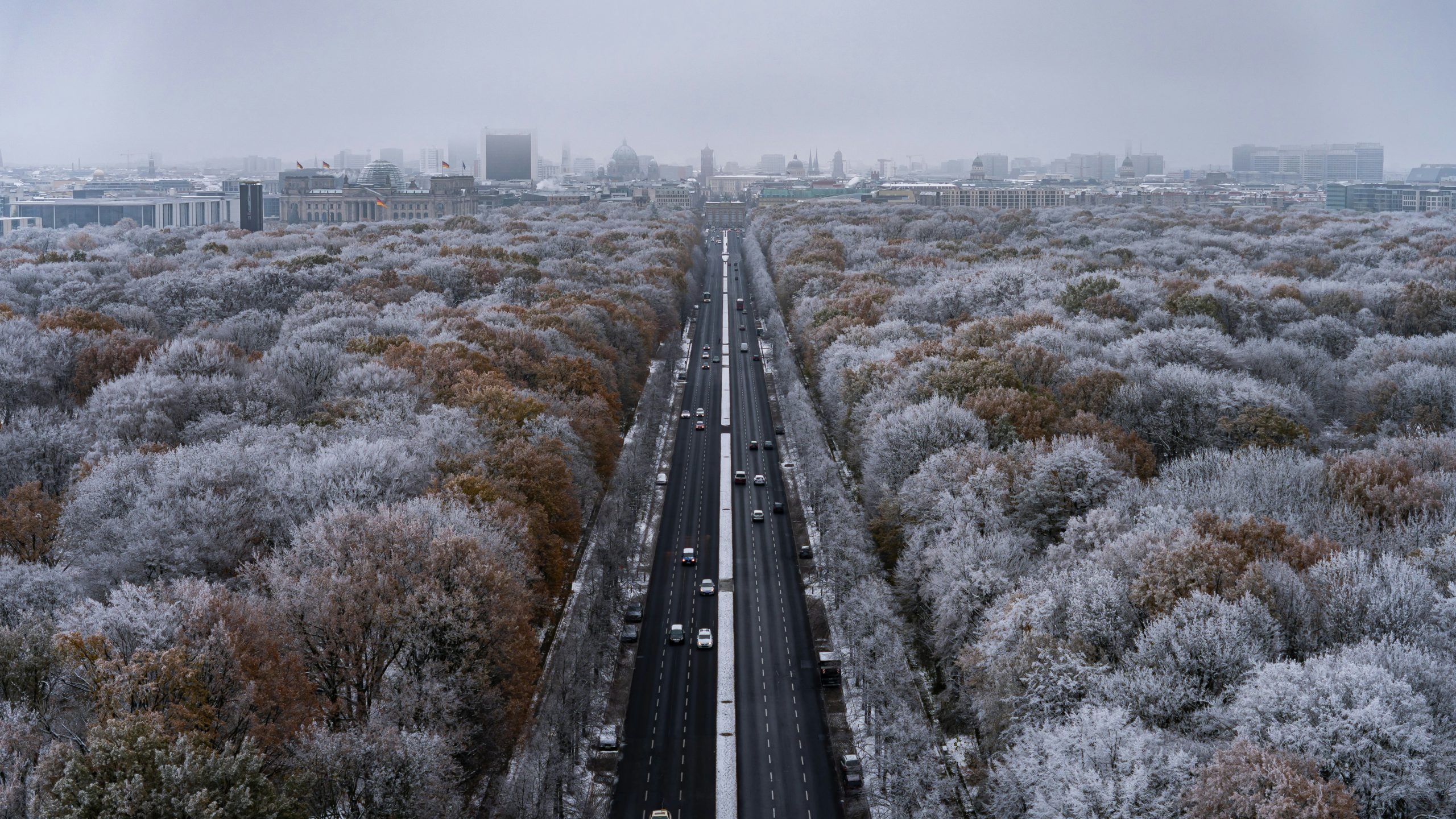
Winter driving in Chicago brings a special risk: black ice. It’s nearly invisible, can form in minutes, and often causes sudden loss of control. When a crash happens, drivers and insurers may argue that the ice was “unavoidable.” But in Illinois, liability is still about whether a driver acted reasonably for the conditions. This guide explains how fault is determined in winter and black‑ice accidents, what evidence matters most, and how to protect your claim.
Quick answer: Who is at fault in a black‑ice accident?
Fault depends on whether a driver acted reasonably for winter conditions. Illinois law requires drivers to reduce speed and drive safely for weather and road conditions. If a driver was traveling too fast for icy roads, following too closely, or making unsafe maneuvers, they may be at fault—even if the speed limit was not exceeded. In multi‑vehicle crashes, fault can be shared.
What is black ice (and why it’s so dangerous)?
Black ice is a thin, transparent layer of ice that blends into dark pavement. It forms when moisture freezes on road surfaces, often without a visible sheen. Because drivers can’t easily see it, black ice leads to sudden skids, loss of control, and chain‑reaction crashes.
Where black ice commonly forms in Chicago
Black ice forms in predictable places—knowing these locations matters for both safety and fault analysis. It often appears first on:
- Bridges and overpasses (they freeze faster because cold air surrounds them)
- Shaded areas that don’t get sunlight during the day
- Ramps and elevated roadways
- Near waterways or low‑lying areas
- Intersections and stop zones where water pools and refreezes
Illinois road‑safety guidance emphasizes extra caution on bridges, overpasses, and shaded areas because they freeze first.
Why black‑ice crashes are often disputed
Many drivers claim the ice “came out of nowhere.” Insurers then argue that the crash was unavoidable. But the legal question isn’t whether the ice was visible—it’s whether the driver took reasonable precautions given winter conditions. That’s why documentation and weather context matter.
Illinois’ duty to drive safely for conditions
Illinois law requires drivers to operate at a speed that is reasonable and proper for existing conditions, including weather and traffic, even if the speed is below the posted limit. In other words, the speed limit is not a “safe speed” if roads are icy. This is often a key point in winter crash liability.
Common fault scenarios in winter and black‑ice crashes
1) Rear‑end collisions on icy roads
Rear‑end crashes are common in winter because stopping distances increase dramatically on ice. If a driver follows too closely or fails to slow down, they may be found at fault—even if they slid. (Related: Rear‑End Car Crashes in Chicago.)
2) Loss of control and single‑vehicle crashes
Single‑vehicle crashes into guardrails, poles, or parked cars are often blamed on the driver’s speed or maneuvers. The question is whether the driver adjusted to conditions or drove as if the road was dry.
3) Intersection and turning crashes
Black ice at intersections can cause vehicles to slide through lights or fail to stop. If a driver enters an intersection without control, they may be held at fault. Learn more: Left‑Turn and Intersection Accidents in Chicago.
4) Multi‑vehicle pileups
On icy roads, chain‑reaction crashes can involve several drivers. Fault may be shared based on following distance, speed, and the timing of each impact. (Related: Multi‑Vehicle Car Crashes in Chicago.)
How Illinois comparative fault affects winter claims
Illinois uses a modified comparative fault rule. If you are more than 50% at fault, you are barred from recovery. If you are 50% or less at fault, your compensation is reduced by your percentage of fault. In black‑ice cases, insurers often argue that drivers should have anticipated icy conditions and adjusted accordingly—so fault can be a major issue. Learn more: Illinois Comparative Fault Rule (51% Bar).
Evidence that matters most in a black‑ice case
Because black ice is hard to see, evidence is critical. The goal is to show the conditions, your actions, and how the crash happened.
- Photos/video of the scene: Snow, ice patches, road conditions, and vehicle positions.
- Weather reports: Temperature, precipitation, and freeze‑thaw timing.
- Witness statements: Independent drivers or pedestrians who saw the crash.
- Dash‑cam footage: Often the best way to show loss of control and conditions.
- Police report: Includes officer observations about weather and road conditions.
For a step‑by‑step evidence guide, see How to Document a Car Accident for a Strong Claim.
What to do immediately after a black‑ice crash
- Call 911 and report injuries or hazards.
- Move to safety if possible and use hazard lights.
- Take photos of the roadway before conditions change.
- Get witness information, especially if visibility was poor.
- Seek medical care promptly—even for “minor” pain.
Step‑by‑step: What to Do After a Car Accident in Chicago.
Common injuries in winter and black‑ice accidents
Loss‑of‑control crashes often involve high‑impact collisions or rollovers. Common injuries include:
- Whiplash and neck strain
- Back injuries and herniated discs
- Head injuries and concussions
- Fractures in ribs, arms, legs, or hips
- Soft‑tissue injuries
Related reading: Whiplash After a Chicago Car Accident and Types of Back Injuries from Car Accidents.
Can the city or a public agency be liable for black ice?
Sometimes winter road conditions involve public agencies (city, county, or state roadways). Illinois law provides broad immunity to public entities for injuries caused by the natural accumulation of ice and snow and other effects of weather, with limited exceptions. That means claims against government entities can be more difficult and require careful analysis.
If a public entity is involved, deadlines can also be shorter than standard injury claims. Illinois generally requires lawsuits against local public entities to be filed within one year. See our full timeline guide: Illinois Statute of Limitations for Car Accident Claims.
Insurance tactics in winter accident claims
Insurers often argue that black‑ice crashes are “unavoidable.” They may also try to shift blame by saying:
- You were driving too fast for conditions.
- You followed too closely.
- You should have anticipated ice because of the temperature.
These arguments can reduce your claim value. Keep your documentation strong and avoid statements that increase your fault percentage. Read: Dealing With Insurance Adjusters: What to Say (and Not Say).
Damages in a winter crash claim
If you were injured, damages may include:
- Medical bills and future care
- Lost wages and reduced earning capacity
- Property damage and vehicle replacement
- Pain and suffering
- Emotional distress
See: Compensation Basics in Illinois Car Accident Claims.
How to reduce your fault risk in winter driving
If a claim is disputed, your driving behavior will be analyzed. The safest practices also help protect your legal position:
- Slow down well below posted limits when roads are icy.
- Increase following distance significantly.
- Avoid sudden braking or sharp turns.
- Use headlights in low‑visibility snow.
- Be extra cautious on bridges, overpasses, and shaded areas.
Frequently asked questions
Is black ice an “act of God” that ends liability?
No. Weather conditions alone do not eliminate liability. The legal question is whether the driver acted reasonably for the conditions.
What if I lost control but didn’t hit another car?
You may still have a claim if another driver’s actions caused your crash or if another vehicle forced you off the road. Documentation is essential.
Can I still recover if I was partially at fault?
Yes, if you are 50% or less at fault. Your compensation is reduced by your percentage of fault.
Do winter accidents take longer to settle?
They can. Fault disputes and weather evidence often slow negotiations. Strong documentation can shorten the process.
What if the other driver says they couldn’t see the ice?
Visibility is part of winter driving. If the conditions were icy, drivers are expected to reduce speed and drive carefully, even if ice is not visible.
Bottom line
Black‑ice and winter crashes in Chicago are complex because visibility is low and fault is often disputed. The key issues are whether drivers adjusted for conditions and what evidence shows about the scene. If you were injured, quick documentation and careful communication with insurers can protect your claim.
If you want to discuss a winter accident or next steps, start here: Chicago Car Accident Lawyer.