
 Written by
Facial injuries are a common and often severe consequence of car accidents, resulting from the high-impact forces involved in such collisions. These injuries can range from minor cuts and bruises to major fractures and deep lacerations, affecting various organs and structures within the face. The delicate and exposed nature of facial features makes them particularly susceptible to damage during an accident, with potential long-term effects on appearance, function, and overall quality of life.
 Facial injuries sustained in car accidents can have significant long-term effects, impacting various aspects of a person’s physical, psychological, and social well-being.
Here are some of the potential long-term consequences:
Facial injuries sustained in car accidents can have significant long-term effects, impacting various aspects of a person’s physical, psychological, and social well-being.
Here are some of the potential long-term consequences:

Interesting Reads: Types Of Neck Injuries From Car Accidents Common Brain Injuries By Car Accidents Severe Traumatic Brain Injuries (TBIs)
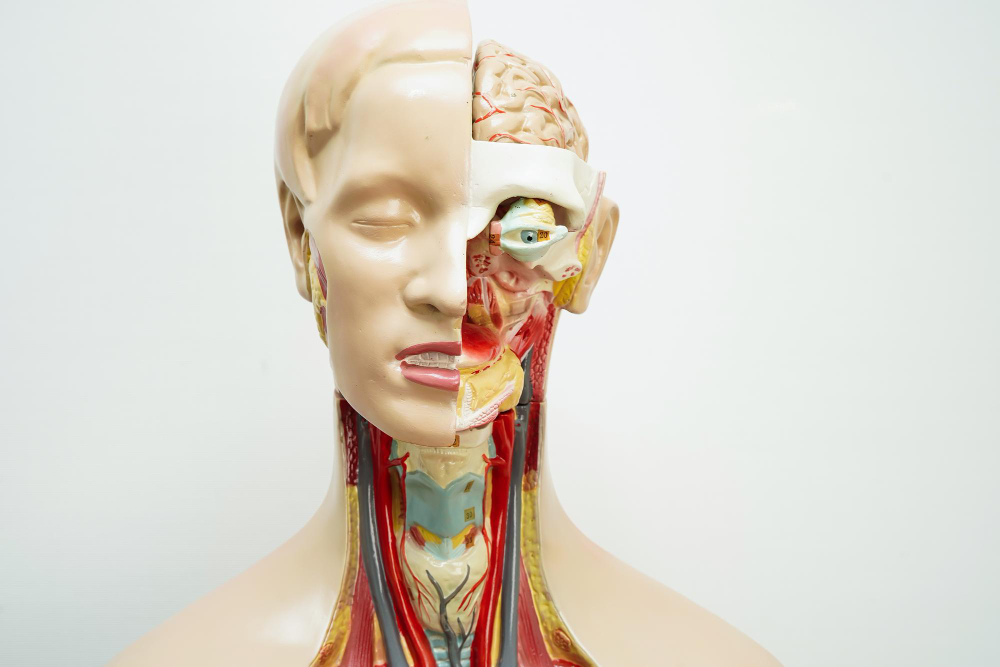
Organs Included In The Face
- Eyes: The eyes are the primary organs of vision, housed within the eye sockets (orbits). They include structures such as the cornea, iris, lens, retina, and optic nerve, which work together to capture and process visual information.
- Nose: The nose is responsible for the sense of smell (olfaction) and also plays a crucial role in breathing. It includes the nostrils, nasal cavity, and the olfactory receptors. The nasal passages also filter, warm, and humidify the air we breathe.
- Mouth: The mouth includes several important structures such as the lips, teeth, gums, tongue, and the roof of the mouth (palate). It is essential for eating, speaking, and breathing. The tongue is vital for taste and helps in the manipulation of food for chewing and swallowing.
- Ears: Although not entirely on the face, the external parts of the ears (auricles) are located on the sides of the face. The ears are responsible for hearing and balance, with structures like the eardrum, cochlea, and auditory nerve playing key roles in these functions.
- Skin: The facial skin protects underlying tissues and organs, helps regulate temperature, and enables the sense of touch. It includes sebaceous glands that produce oils to moisten skin and hair follicles.
- Salivary Glands: These glands, such as the parotid, submandibular, and sublingual glands, produce saliva, which aids in digestion, keeps the mouth moist, and helps in oral hygiene.
- Muscles: Facial muscles, such as the orbicularis oculi, orbicularis oris, and the masseter, allow for expressions, movements of the mouth and eyes, and chewing.
- Bones: The facial skeleton includes the mandible (lower jaw), maxilla (upper jaw), nasal bones, zygomatic bones (cheekbones), and other smaller bones that provide structure and support for the face.
- Nerves: The facial nerves, especially the trigeminal and facial nerves, provide sensation to the face and control the muscles responsible for facial expressions.
What Is Facial Injury?
A facial injury is any trauma or damage to the face, affecting the skin, muscles, bones, and organs in this area. These injuries can result from various incidents, including falls, sports activities, physical assaults, and, car accidents. Facial injuries can range in severity from minor bruises and cuts to severe fractures and deep lacerations, impacting structures such as the eyes, nose, mouth, and jaw. The consequences of facial injuries can extend beyond physical pain, often affecting a person’s appearance, emotional well-being, and functional abilities, such as breathing, eating, and speaking. Proper diagnosis and timely treatment are crucial for minimizing complications and facilitating recovery.Facial Organs Caused Due to Car Accident Injuries
Eyes
Car accidents can cause injuries to the eyes, ranging from minor scratches on the cornea to more severe damage like globe rupture or retinal detachment. Impact from airbags, shattered glass, or blunt trauma can result in vision loss, bleeding within the eye, or fractures to the orbital bones.Nose
The nose is particularly vulnerable in car accidents and can cause fractures, often referred to as a broken nose. The nasal septum may be deviated or fractured, leading to breathing difficulties, swelling, and significant pain. Severe trauma can also damage the nasal passages and sinuses, potentially leading to chronic issues.Mouth
Injuries to the mouth from a car accident can include broken or knocked-out teeth, lacerations to the lips and gums, and fractures of the jawbone (mandible and maxilla). These injuries can affect eating, speaking, and breathing. The tongue and palate can also be damaged, leading to complications with oral functions.Ears
Blunt force trauma or rapid changes in air pressure from an airbag deployment can injure the ears. This can result in ruptured eardrums, fractures of the bones within the ear (ossicles), or damage to the external parts of the ears. Hearing loss, tinnitus, and balance issues can occur due to these injuries.Skin
Facial skin can sustain cuts, abrasions, and lacerations from broken glass, metal, or other debris in a car accident. These wounds may require stitches or other medical treatment to prevent infection and minimize scarring. In severe cases, significant reconstructive surgery might be necessary.Bones
The facial bones, including the cheekbones (zygomatic bones), jawbone (mandible), and the bones around the eyes (orbital bones), are prone to fractures during a car accident. These fractures can lead to disfigurement, and functional impairments, and require surgical intervention to repair.Muscles
Facial muscles can be strained, torn, or bruised in a car accident, impacting facial expressions and movement. Severe injuries may damage the muscles controlling the mouth and eyes, affecting speech, eating, and facial expressions.Nerves
Damage to the facial nerves, particularly the trigeminal and facial nerves, can result in loss of sensation, facial paralysis, or chronic pain. Such nerve damage can be due to direct trauma or secondary to fractures and other injuries, leading to long-term functional impairments.Types Of Facial Injuries by Car Accidents
Major Facial Injuries
1. Fractures
Major facial injuries often involve fractures of the facial bones, such as the jaw (mandible), cheekbones (zygomatic bones), or nasal bones. These injuries are typically caused by significant trauma, such as from car accidents, falls, or physical assaults. Fractures can lead to severe pain, swelling, bruising, and deformity. In some cases, they may affect vision, breathing, or the ability to speak and eat properly.2. Soft Tissue Damage
Severe lacerations, avulsions (where skin and tissue are torn away), and extensive bruising fall under major soft tissue injuries. These injuries can result from high-impact trauma and often involve deep cuts that may expose underlying structures like muscles, nerves, and blood vessels. They can lead to significant blood loss and risk of infection.3. Orbital Injuries
Trauma to the eye socket (orbit) can result in fractures and damage to the eye itself. Orbital fractures can cause double vision, sunken eyes, or restricted eye movement. Such injuries may require surgical intervention to repair the bones and ensure the eye is properly aligned. Severe cases may also involve damage to the optic nerve, potentially leading to vision loss.Minor Facial Injuries
1. Minor Cuts and Bruises
Minor facial injuries often include superficial cuts, scrapes, and bruises. These injuries usually result from low-impact incidents like falls or minor collisions. They cause minimal bleeding and discomfort, and they heal relatively quickly with basic first aid measures, such as cleaning the wound, applying antiseptic, and using bandages or ice packs to reduce swelling and bruising.2. Nosebleeds
A common minor facial injury is a nosebleed, which can occur due to trauma, dry air, or even vigorous nose blowing. While alarming, most nosebleeds are not serious and can be managed by pinching the nostrils and leaning forward to reduce blood flow and allow clotting. Persistent or recurrent nosebleeds may require medical attention to rule out underlying issues.3. Contusions
Minor contusions or “black eyes” result from blunt trauma to the face, causing blood vessels to break under the skin and leading to discoloration and swelling around the eyes. These injuries are typically not serious and heal on their own with rest, ice, and over-the-counter pain relievers. It is important to monitor for more serious symptoms that might indicate a more severe underlying injury, such as changes in vision or severe pain.Long-term Effects Of Facial Injuries In Car Accidents
Facial injuries sustained in car accidents can have significant long-term effects, impacting various aspects of a person’s physical, psychological, and social well-being.
Here are some of the potential long-term consequences:
Physical Effects
1. Chronic Pain Long-term pain is a common issue, particularly in cases involving fractures or nerve damage. Even after the bones have healed, individuals may experience persistent discomfort or pain in the affected areas, often requiring ongoing medical treatment or pain management strategies. 2. Scarring and Disfigurement Significant facial injuries often result in visible scarring or disfigurement, even with surgical intervention. These scars can affect facial expressions and overall appearance, leading to issues with self-esteem and social interactions. 3. Impaired Function Damage to facial structures can lead to lasting functional impairments. For instance, injuries to the jaw or teeth can affect chewing and speaking, while damage to the nasal passages can impact breathing. Injuries around the eyes can lead to visual disturbances or chronic dry eyes.Psychological Effects
1. Emotional Trauma The experience of a car accident and the resulting facial injuries can lead to psychological issues such as post-traumatic stress disorder (PTSD), anxiety, and depression. The trauma of the accident itself, coupled with the challenges of coping with visible injuries, can have a profound impact on mental health. 2. Body Image Issues Scarring and disfigurement can significantly affect a person’s body image and self-esteem. Individuals may feel self-conscious or embarrassed about their appearance, leading to social withdrawal and isolation. In severe cases, this can contribute to long-term depression or social anxiety.Social and Professional Effects
1. Social Interactions Facial injuries and their visible effects can alter social dynamics. Individuals may face stigma or discrimination based on their appearance, which can affect personal relationships and social interactions. This can lead to social isolation and difficulty in forming new relationships. 2. Professional Impact The effects of facial injuries can also extend into the professional realm. Individuals may face challenges in jobs that require frequent public interaction or rely heavily on appearance. Long-term medical appointments and the need for ongoing treatments may also disrupt work schedules, potentially impacting career advancement and financial stability.Medical and Financial Burden
1. Ongoing Medical Treatment Long-term effects of facial injuries often require continuous medical care, including surgeries, physical therapy, and psychological counseling. This can be a significant burden in terms of time, effort, and cost. 2. Financial Impact The cost of medical treatments, combined with the potential loss of income due to an inability to work, can create financial stress. Long-term care needs and rehabilitation expenses can add up, making it crucial for individuals to have access to adequate insurance coverage or financial support.Treatments
Surgical Treatments
1. Bone Fracture Repair Facial fractures, such as those of the jaw, cheekbones, or eye sockets, often require surgical intervention to realign and stabilize the bones. Surgeons use plates, screws, or wires to fix the bones in place, ensuring proper healing and function. This can involve procedures like open reduction and internal fixation (ORIF). 2. Soft Tissue Repair Lacerations, avulsions, and other soft tissue injuries may need meticulous surgical repair. Surgeons carefully clean the wounds to prevent infection, then suture the tissues, often in multiple layers, to promote proper healing. Complex cases might require reconstructive or plastic surgery to restore both function and appearance. 3. Reconstructive Surgery For severe disfigurement or functional impairment, reconstructive surgery might be necessary. This can include procedures like skin grafts, where healthy skin is transplanted to cover damaged areas, or flap surgery, where tissue along with its blood supply is moved from one part of the body to another. These surgeries aim to restore both appearance and function. 4. Dental Surgery Facial injuries often involve damage to the teeth and jaw, requiring dental surgery. This can include procedures like dental implants to replace lost teeth, or maxillofacial surgery to correct jaw alignment and ensure proper bite and oral function. 5. Eye Surgery Injuries to the orbital area may necessitate eye surgery. This can range from repairing orbital fractures to addressing damage to the eye itself. Procedures might include repairing retinal detachments, addressing traumatic cataracts, or reconstructing the orbital floor.Non-Surgical Treatments
1. Medication Pain management is crucial in the treatment of facial injuries. Doctors may prescribe analgesics or anti-inflammatory medications to control pain and reduce swelling. Antibiotics may also be prescribed to prevent or treat infections, especially in cases involving open wounds. 2. Physical Therapy Physical therapy can help restore function and mobility, particularly in cases involving jaw or facial muscle injuries. Therapists guide patients through exercises to improve muscle strength, range of motion, and coordination, aiding in recovery and reducing long-term disability. 3. Wound Care Proper wound care is essential for preventing infection and promoting healing. This involves regular cleaning of the injury site, applying antiseptic solutions, and dressing wounds appropriately. In some cases, specialized wound dressings or topical treatments might be used to enhance healing. 4. Psychological Support Given the potential psychological impact of facial injuries, counseling or therapy is often an important part of treatment. Mental health professionals can help individuals cope with trauma, body image issues, and emotional distress, providing strategies to manage anxiety, depression, or PTSD. 5. Cosmetic Procedures Non-surgical cosmetic treatments, such as dermal fillers or laser therapy, can improve the appearance of scars and other residual effects of facial injuries. These procedures can enhance skin texture, reduce the visibility of scars, and restore a more normal appearance, boosting confidence and self-esteem. 6. Orthodontic Treatment For injuries affecting the teeth and jaw alignment, orthodontic treatment might be necessary. This can include braces or other devices to correct misalignment and ensure proper bite, contributing to both function and aesthetics. FAQsWhat are the common types of facial injuries in car accidents?
Common facial injuries include fractures (jaw, cheekbones, nasal bones), lacerations, contusions, dental injuries, and orbital injuries.How are facial fractures treated?
Facial fractures are typically treated with surgical procedures to realign and stabilize the bones using plates, screws, or wires.What non-surgical treatments are available for facial injuries?
Non-surgical treatments include pain management with medications, wound care, physical therapy, psychological support, and cosmetic procedures like dermal fillers and laser therapy to improve scar appearance.Can facial injuries from car accidents lead to long-term effects?
Yes, long-term effects can include chronic pain, scarring, disfigurement, impaired function (e.g., chewing, speaking, vision), emotional trauma, and social or professional challenges.How can I manage pain from facial injuries?
Pain from facial injuries can be managed with over-the-counter pain relievers, prescription medications, and in some cases, physical therapy or nerve blocks for severe or chronic pain.Contact Us If You Seeking Legal Help For Facial Injuries in Car Accidents
If you or a loved one have sustained facial injuries in a car accident and are seeking legal help or consideration, please reach out to us. Our experienced lawyers are here to provide you with the support and guidance you need. Don’t hesitate to contact us if you need legal assistance. We are here to help you understand your rights and pursue the compensation you deserve.Interesting Reads: Types Of Neck Injuries From Car Accidents Common Brain Injuries By Car Accidents Severe Traumatic Brain Injuries (TBIs)