


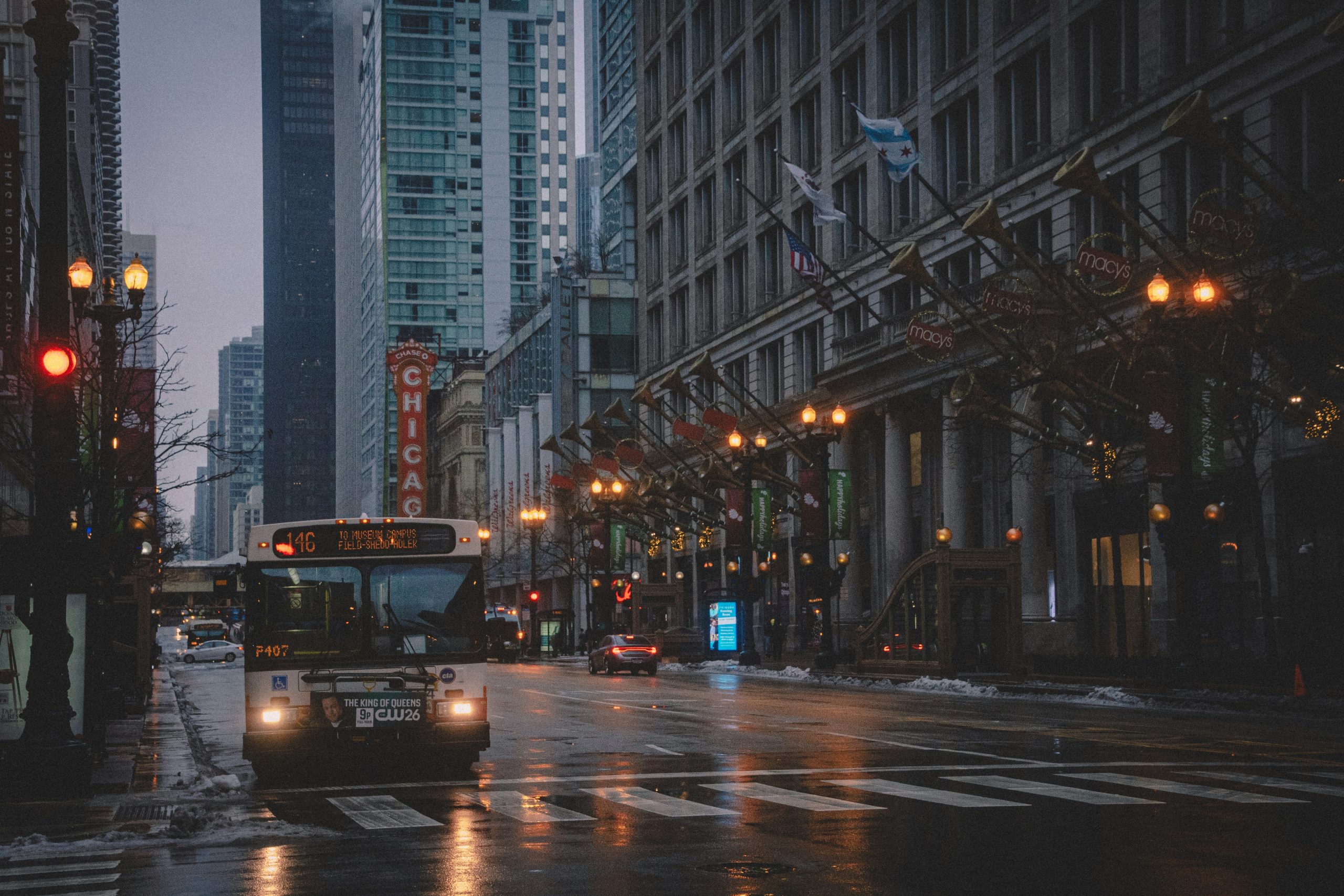
T‑bone accidents—also called side‑impact collisions—happen when the front of one vehicle strikes the side of another. These crashes are especially dangerous because the side of a car offers less protection than the front or rear. In Chicago, T‑bone collisions often occur at intersections, making fault disputes common. This guide explains how fault is determined, what evidence matters most, and how damages are calculated in Illinois claims.
Quick answer: Who is at fault in a T‑bone crash?
The driver who violated the right of way is usually at fault. In many cases, that means a driver who ran a red light, failed to stop at a stop sign, or turned left across oncoming traffic. But fault isn’t automatic—speeding, distraction, or poor visibility can shift or share fault.
Why T‑bone crashes are so dangerous
Side‑impact collisions concentrate force on the driver and passenger doors, where protection is limited. This makes serious injuries more common, including head injuries, chest trauma, and fractures. In Chicago traffic, T‑bone crashes often happen at busy intersections where timing and visibility are tight.
Common causes of T‑bone crashes in Chicago
- Running red lights or stop signs
- Left‑turn violations at unprotected green lights
- Failure to yield at intersections
- Speeding or aggressive driving
- Distracted driving (phone use, GPS use, eating)
- Poor visibility or weather (snow, ice, heavy rain)
Right‑of‑way basics in Illinois (why they matter in T‑bone cases)
Fault in a T‑bone crash often comes down to right‑of‑way rules. Illinois law generally requires:
- Drivers facing a red light to stop and yield.
- Drivers facing a stop sign to stop and yield to traffic already in the intersection.
- Left‑turning drivers to yield to oncoming traffic that is close enough to be an immediate hazard.
If a driver violated these rules, they are usually at fault. But if the other driver was speeding or ran a stale yellow light, fault can be shared. Learn more: Red and Yellow Light Accidents in Chicago and Left‑Turn and Intersection Accidents in Chicago.
How fault is determined in a T‑bone crash
Fault is based on evidence. In contested T‑bone cases, insurers and courts often rely on:
- Police reports and citations
- Witness statements
- Photos and video (including traffic camera footage)
- Vehicle damage patterns (impact points can show who entered the intersection first)
- Skid marks and debris location
- Event data recorder (EDR) info about speed or braking
For a full evidence checklist, see How to Document a Car Accident for a Strong Claim.
Common fault scenarios in Chicago T‑bone cases
1) Red‑light violation
If one driver runs a red light, they are typically at fault. But the timing of the light can be disputed, so witness statements and camera footage matter.
2) Left‑turn failure to yield
A left‑turn driver who cuts across oncoming traffic often causes a T‑bone crash. This is one of the most common T‑bone scenarios in Chicago.
3) Stop‑sign violation
Failure to come to a complete stop or rolling through a stop sign can cause a side‑impact crash. If the other driver was already in the intersection, fault usually rests with the driver who failed to stop.
4) Speeding on the through street
Even if a driver had the right of way, excessive speed can shift partial fault. The faster the through driver was going, the more likely comparative fault will be argued.
Illinois comparative fault and how it affects T‑bone claims
Illinois uses a modified comparative fault rule. If you are found more than 50% at fault, you cannot recover damages. If you are 50% or less at fault, your compensation is reduced by your percentage of fault. In T‑bone cases, fault is often contested, which makes this rule especially important.
See: Illinois Comparative Fault Rule (51% Bar).
Common injuries in T‑bone crashes
Side‑impact crashes can cause serious and long‑lasting injuries, including:
- Head injuries and concussions
- Neck and whiplash injuries
- Back injuries and herniated discs
- Chest and rib fractures
- Pelvic or hip injuries
- Internal injuries
Related reading: Whiplash After a Chicago Car Accident, Brain Injuries by Car Accidents, and Types of Back Injuries from Car Accidents.
Damages in a T‑bone accident claim
Damages may include:
- Medical bills and future care
- Lost wages and reduced earning capacity
- Property damage and vehicle replacement
- Pain and suffering
- Emotional distress
See Compensation Basics in Illinois Car Accident Claims for a full breakdown.
How to document a T‑bone crash for a strong claim
- Photograph the intersection from multiple angles.
- Capture traffic lights and signage.
- Get witness names and numbers immediately.
- Request the police report number.
- Seek medical care even if you feel “okay.”
Documentation is especially important in side‑impact cases because liability is often disputed. The more objective evidence you have, the stronger your position.
Insurance tactics in T‑bone cases
Insurers often try to shift fault in intersection crashes by arguing:
- You entered the intersection too late.
- You were speeding or distracted.
- The light was yellow or red when you entered.
- Your injuries were pre‑existing.
Keep records and be cautious in adjuster conversations. Read: Dealing With Insurance Adjusters: What to Say (and Not Say).
When a lawsuit is necessary
If the insurer disputes fault or undervalues serious injuries, a lawsuit may be necessary. Many cases settle before trial, but filing suit can preserve your rights and keep the pressure on the insurer. Learn how the timeline works here: Illinois Car Accident Claim Timeline.
Frequently asked questions
Are T‑bone crashes always the other driver’s fault?
No. Fault depends on right of way and each driver’s actions. Speeding, distraction, or a yellow‑light dispute can lead to shared fault.
What if I was turning left?
Left‑turn drivers usually must yield to oncoming traffic. If the oncoming driver was speeding or ran a red light, fault can be shared.
Can I still recover if I was partially at fault?
Yes, if you are 50% or less at fault. Your recovery is reduced by your percentage of fault.
What if there are no witnesses?
Photos, vehicle damage patterns, and traffic‑camera footage can still establish fault. Police reports also matter.
How long do T‑bone claims take?
Minor injury claims may resolve in months. Serious injury or disputed‑fault cases can take longer, especially if a lawsuit is filed.
Bottom line
T‑bone crashes are some of the most dangerous and disputed accidents in Chicago. Fault often hinges on right‑of‑way rules, and evidence is the key to a strong claim. If you were injured in a side‑impact crash, documentation and early guidance can make a major difference.
If you want to discuss your case or next steps, start here: Chicago Car Accident Lawyer.