
Tag: Illinois personal injury law
-

Uninsured and Underinsured Motorist Claims in Illinois: What Chicago Drivers Need to Know
If the driver who hit you in Chicago has little insurance or none at all, your own policy may become the main path to recovery. Here…
-

Chicago Bicycle Accident Claims: Fault and Recovery
Cyclists face unique risks in Chicago, dooring incidents, right‑turn collisions, and drivers who don’t look for bikes. Here is what Illinois law says.
-

Chicago Pedestrian Accident Claims: Rights and Evidence
Pedestrians are vulnerable in traffic, and even a low‑speed impact can cause serious injury. Free consultation with a Chicago injury lawyer.
-

PTSD and Anxiety After a Chicago Crash: Claim Guide
Emotional injuries after a car accident are real and often overlooked. PTSD, anxiety, and panic symptoms can disrupt sleep, work, and daily life just as much…
-
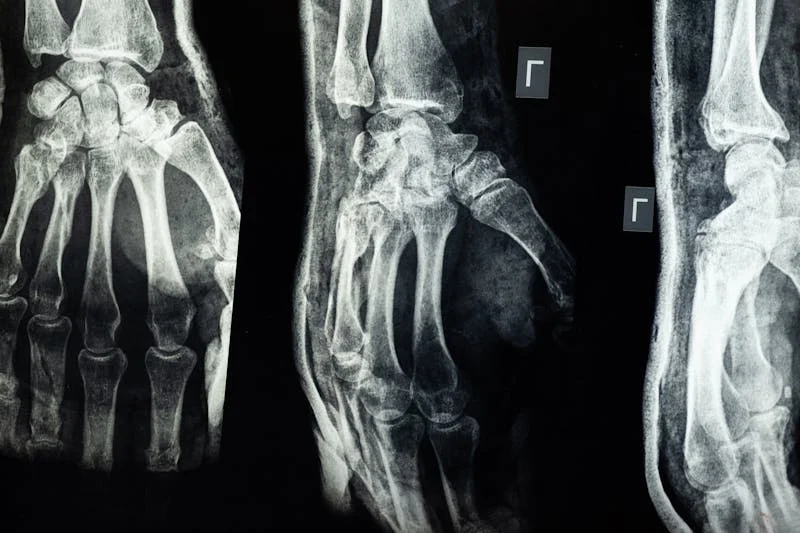
Chicago Fracture Injury Claims After a Car Accident
Broken bones are painful, disruptive, and often require long recovery periods. After a car accident in Chicago, a fracture claim must show not only the…
-

Herniated Disc and Back Injury Claims After a Chicago Car Accident
Back injuries are among the most painful and disruptive consequences of a car accident. What Illinois law says and how to protect your case.
-
Illinois Medical Liens After Injury Settlements
Many injury clients are surprised to learn that a settlement doesn’t always go straight into their pocket. Free consultation with a Chicago injury lawyer.
-

Chicago Construction Zone Crash Claims: Fault and Compensation
Construction-zone crashes in Chicago can involve drivers, contractors, and public entities.
-

Chicago Winter Crash Claims: Black-Ice Liability Guide
Chicago winters create dangerous driving conditions, and black‑ice crashes happen in seconds. Free consultation with a Chicago injury lawyer.
-

Chicago T-Bone Crash Claims: Fault and Damages
T‑bone crashes are among the most dangerous car accidents in Chicago. A side‑impact collision offers little protection, and the injuries can be severe.