 Written by
 Many of these crashes happen because drivers:
- Speed up instead of stopping
- Fail to yield during turning movements
- Brake suddenly due to traffic signals
- Drive distracted
- Misjudge the timing of yellow lights
The impact from these collisions, especially at busy roads like Western Ave, Ashland Ave, Cicero Ave, and major expressway exits, often leads to severe harm. These injuries can be similar to those seen in rear-end accidents at Chicago intersections and left-turn crashes involving pedestrians and cyclists.
If you were hurt in one of these accidents, it is crucial to understand your rights. A knowledgeable Chicago car accident lawyer can investigate what happened, gather evidence such as traffic camera footage, and build a strong claim on your behalf. You can learn more about how attorneys help after crashes by visiting our page on how a Chicago car accident lawyer can assist after a crash.
Red- and yellow-light collisions often lead to significant medical bills, lost income, and ongoing pain. Knowing your legal options early on can protect your claim and ensure you pursue the maximum compensation available. For more details on what you may be entitled to, read our guide on Chicago car accident compensation.
How a Chicago Car Accident Lawyer Can Help After a Red or Yellow Light Crash
Intersection crashes are often some of the most confusing and contested accidents in Chicago. When a collision happens at a red or yellow light, insurance companies may attempt to blame you, argue that the light was unclear, or minimize your injuries. Because Illinois uses comparative negligence, even small details, such as whether the light had just turned yellow, can impact your claim. This is why working with an experienced Chicago car accident lawyer is essential.
Here’s how an attorney helps protect your case:
1. Full Investigation Using Video, Witnesses & Traffic-Camera Evidence
Your lawyer will collect traffic-camera recordings, dashcam footage, witness statements, police reports, and intersection diagrams to determine the exact sequence of events. Similar high-detail investigations are also used in lane-change crashes and highway accidents, where timing and driver behavior matter.
2. Determining Whether the Other Driver Ran the Light
A skilled attorney examines signal timings, vehicle speeds, and intersection layout to prove the other driver ran a red light or sped through a yellow. This is especially important when insurers try to shift blame, just like in rear-end accidents.
3. Using Traffic Signal Timing Records to Establish Liability
Chicago intersections store clear timing logs. Lawyers can request these records to show exactly when the light changed. This type of evidence is similar to what is used in proving responsibility and pre-existing condition claims, where precise documentation strengthens the injury claim.
4. Handling All Communication With Insurance Adjusters
Insurance companies often try to downplay injuries or argue that you “could have stopped sooner.” Your attorney manages all communication to prevent any statements from being used against you, just like in other Illinois injury claims involving comparative negligence.
5. Pursuing Full Compensation for All Damages
Your lawyer will fight for compensation for:
- medical bills
- lost income
- pain and suffering
- long-term therapy or treatment
- car repair or replacement
Red and Yellow Light Accidents Cause Serious Injuries
Running a red or yellow light isn’t just a traffic violation, it’s one of the leading causes of violent, high-impact collisions in Chicago. Whether it happens on major roads like Western Ave, Ashland Ave, Cicero Ave, Lake Shore Drive, or I-90/94 exit intersections, these crashes often occur at full speed, leaving victims with severe, long-lasting injuries.
Common injuries from red- and yellow-light crashes include:
- Traumatic Brain Injuries (TBI) from sudden impact or head strikes
- Neck and back injuries, including whiplash, herniated discs, and spinal trauma
- Broken bones from forceful seatbelt restraint or direct collision
- Internal injuries that may not show symptoms immediately
- Shoulder and knee injuries, especially in side-impact collisions
- Airbag and seatbelt injuries, which can still be severe even though they prevent fatal harm
These accidents frequently result in T-bone (side-impact) collisions, left-turn crashes, and multi-vehicle intersection pileups, some of the most dangerous and life-altering crash types. Victims often face months of recovery, ongoing pain, and major financial losses. Learn more in our guide on common car accident injuries in Chicago.
Chicago has over 3,000 signalized intersections, and many of them rank among the busiest and most crash-prone in the Midwest. With millions of drivers navigating the city’s grid system every day, intersections regulated by traffic lights often become hotspots for preventable collisions, especially red- and yellow-light crashes.
Even when traffic signals are functioning properly, human behavior often turns these intersections into high-risk zones. Some of the biggest contributors include:
1. Distracted Driving
Texting, checking GPS, adjusting music, eating, and even talking to passengers can pull a driver’s attention away from the road for just a few seconds, long enough to miss a red light or react too late. Distracted driving also contributes to Common Types of Car Accidents in Chicago
2. Speeding to “Beat the Light”
Many Chicago drivers accelerate through yellow lights instead of slowing down. This behavior leads to:
- Drivers entering the intersection too late
- Misjudging the timing of cross-traffic
- Side-impact (T-bone) or turning crashes
This is especially common on wider, multi-lane streets like Western, Ashland, and Cicero.
3. Heavy Rush-Hour Congestion
During morning and evening commutes, intersections can become clogged with:
- Stop-and-go traffic
- Drivers blocking the intersection
- Rushed or impatient maneuvers
- Sudden braking, especially near bus stops
Congestion increases the likelihood of rear-end crashes, red-light violations, and aggressive last-second turns, similar to patterns seen in lane-change accidents during peak traffic hours.
4. Limited Visibility
Intersection visibility can be blocked by:
- Tall buildings
- Large trucks or CTA buses
- Parked vehicles too close to the corner
- Poor street lighting at night
Reduced visibility leads to misjudged distances, unsafe turns, and delayed reaction times.
5. Winter Weather Hazards
Chicago’s winters create dangerous intersection conditions due to:
- Black ice
- Slippery crosswalks
- Snowbanks blocking sightlines
- Longer stopping distances
Even drivers who intend to stop at a red light may slide through unintentionally, resulting in collisions. These conditions are also a major factor in multi-vehicle pileups on busy roads and expressway entrances.
Because of these combined risks, signalized intersections remain one of the leading locations for serious crashes in Chicago, regardless of the posted traffic control.
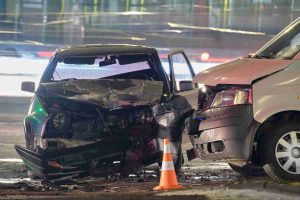
Dangerous Corridors and Intersections in Chicago
While crashes occur throughout the city, certain intersections stand out due to high traffic volume, multi-lane setups, nearby commercial activity, and frequent lane changes. These areas consistently report more red-light, yellow-light, and turning accidents:
Stony Island Ave & 79th St
A heavily traveled multi-lane corridor with fast-moving traffic and complex turning patterns. Frequent bus activity and congestion make timing mistakes common.
Western Ave & Peterson Ave
One of Chicago’s busiest north-south streets, Western is known for:
- Long light cycles
- Driver impatience
- Sudden left turns
This creates a perfect environment for intersection crashes.
Ashland Ave & 63rd St
This area experiences heavy car and bus traffic, high pedestrian activity, and commercial driveways. Drivers often try to push through yellow lights here.
North Ave & Cicero Ave
A high-speed, high-volume intersection surrounded by retail stores, multiple lanes, and constant turning traffic. Red-light running is extremely common.
Lake Shore Drive Exits & Merges
These locations are dangerous because:
- Drivers merge at high speeds
- Sudden braking occurs when signals change
- Visibility can be limited by curves, bridges, or weather
Collisions here often involve significant impact due to speed.
Dan Ryan, Kennedy & Eisenhower Expressway Ramps
Intersections near expressway entrances and exits combine:
- High-speed vehicles
- Last-second lane changes
- Sudden merging
- Confusing visibility during heavy traffic
These conditions frequently result in side-impact, rear-end, and chain-reaction crashes.
Chicago’s dense mix of pedestrians, cyclists, and turning vehicles makes left-turn accidents especially dangerous. These crashes frequently happen at busy intersections where drivers misjudge speed, ignore crosswalks, or try to “beat the light.”
Common causes include:
- Drivers turning without checking for pedestrians in the crosswalk
- Speeding through yellow lights to complete a left turn
- Distracted driving, including phone use or in-car distractions
- Poor visibility during nighttime, rain, or snow
- Blind spots caused by buses, parked cars, or large vehicles
Because pedestrians and cyclists have almost no protection, left-turn collisions often lead to catastrophic injuries such as fractures, head trauma, spinal injuries, and long-term disability. These cases often require a deeper investigation into traffic-camera footage, intersection design, and driver behavior to determine liability.
learn more :Chicago Lane-Change Crash Lawyer: What You Need to Know
Not all intersection crashes involve a side impact. Many happen when:
- A driver slows or stops for a yellow or red light
- The vehicle behind expects them to keep going
- A distracted or speeding driver fails to brake in time
Rear-end crashes are extremely common in neighborhoods such as River North, the Loop, Lincoln Park, Hyde Park, Englewood, and South Side corridors, where traffic congestion and sudden stops are routine.
Even at low speeds, rear-end collisions can cause serious injuries like whiplash, back injuries, and concussions, and insurance companies often try to downplay these conditions. A thorough investigation is essential to prove the seriousness of the impact and your injuries.
If you were hurt in a red- or yellow-light accident anywhere in Chicago, you don’t have to deal with the insurance companies alone. Phillips Law Offices has extensive experience handling intersection crashes, left-turn collisions, rear-end accidents, and complex injury claims across the city.
Our team can:
- Explain your rights
- Investigate the crash using camera footage, witness statements, and records
- Determine who was truly at fault
- Handle all communication with insurers
- Pursue full compensation for medical bills, lost wages, pain and suffering, and long-term effects
Most importantly, Phillips Law Offices offers free consultations, and you pay no fees unless we win your case.