


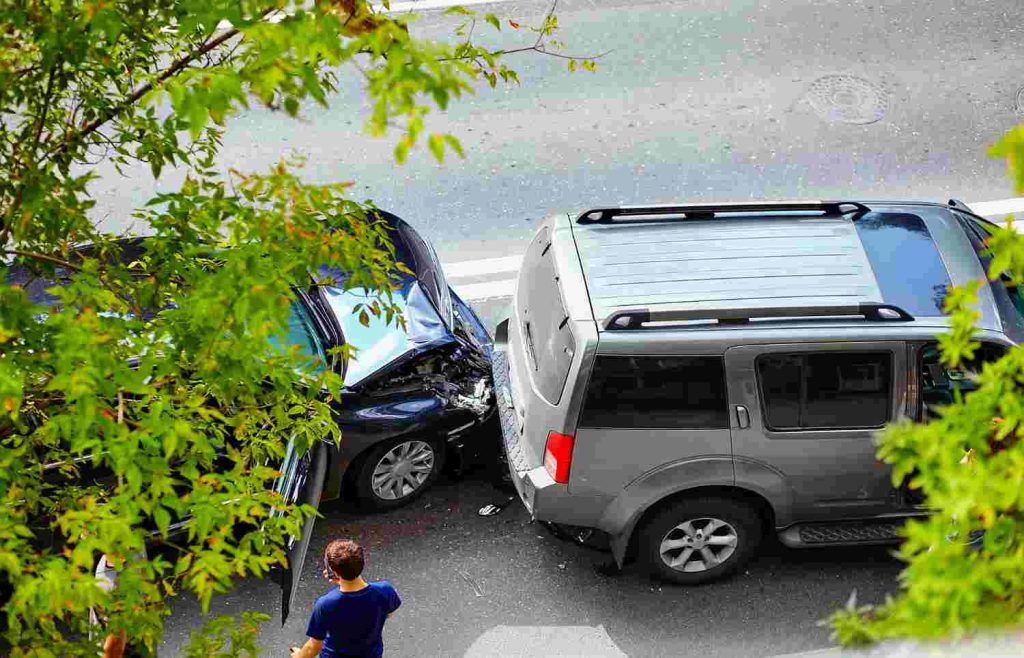
Understanding U Turn Rules in Chicago
Illinois law allows U turns only when they can be performed safely, but Chicago takes an even stricter approach because of heavy traffic patterns, dense businesses, intersections with high pedestrian volume, and narrow lane designs. These factors create unpredictable conditions, much like the safety challenges analyzed in discussions of Self Driving Car Accidents in Chicago, where city layout and traffic flow heavily influence crash risk.
Chicago’s municipal rules banning U turns in certain areas aim to prevent collisions at spots known for congestion or poor visibility. For instance, U turns are prohibited in large sections of the downtown core due to intense foot and vehicle traffic. Drivers must also avoid making U turns within 100 feet of intersections unless signs explicitly allow it, a rule designed to prevent the same timing errors that often cause Chicago Seatbelt Injury Lawyer cases, where drivers are jolted by sudden impacts.
Furthermore, drivers must always yield to oncoming traffic and pedestrians; even if technically legal, a U turn becomes unlawful the moment it disrupts the natural flow of traffic. Chicago also requires that U turns be completed in one continuous movement. Stopping midway, blocking lanes, or hesitating in the middle of traffic creates unnecessary hazards, just as sudden stops contribute heavily to Road Defect Accidents in Chicago, where vehicles often react unpredictably to unexpected road conditions.
Why U Turn Accidents Happen in Chicago
Illegal U Turns
One of the biggest contributors to U turn crashes is drivers making the maneuver where it is outright prohibited. Many motorists misjudge road signs or simply ignore them due to impatience. Illegal U turns in business districts, school zones, pedestrian-heavy intersections, or areas with divided roadways can lead to severe T bone crashes. These types of collisions often mirror decision-making failures seen in Red and Yellow Light Accidents in Chicago, where one driver misreads or disregards traffic control.
Limited Visibility
Tall Chicago buildings, tightly parked cars, delivery trucks, and curving road designs can all obstruct the view of a driver attempting a U turn. When visibility is compromised, drivers cannot accurately judge the speed or distance of approaching vehicles. This scenario frequently causes the same sudden impact dynamics that arise in Chicago Passenger Negligence Lawyer cases, where one driver’s inability to see a hazard becomes central to proving fault.
Failure to Yield
Legally, drivers performing U turns must yield to all oncoming traffic, bicyclists, and pedestrians. Failing to do so often leads to high speed crashes because the turning car moves directly into another vehicle’s path. Misjudging distance or speed is a common driver error, especially in fast-moving areas where collisions resemble the conflicts seen in Parking Lot Accidents in Chicago, where one vehicle suddenly crosses into another’s travel lane.
Distracted or Improper Driving
U turns require clear attention, steady steering, and proper signaling. Yet many drivers attempt them while using a phone, abruptly following GPS instructions, or trying to recover from missing a turn. A distracted or confused driver may attempt a sudden two point or three point turning maneuver in busy traffic, dramatically increasing the risk of collision. Similar behavior patterns are frequently analyzed in Multi-Vehicle Car Crashes Lawyer in Chicago cases, where one driver’s unpredictable action triggers a chain reaction of impacts.
Who Is Liable in a Chicago U Turn Accident
In most cases, the driver performing the U turn is found at fault because the law assumes they have the responsibility to ensure the maneuver can be completed safely. Liability becomes clear when the driver made an illegal turn, failed to yield, misread a traffic sign, turned too widely or too sharply, or created a traffic obstruction. These same fault principles apply in situations addressed by a Chicago Lane-Change Crash Lawyer, where a driver changes direction without ensuring the path is clear.
Illinois Modified Comparative Negligence
Illinois uses a modified comparative negligence system, meaning a victim may recover compensation if they are less than 50 percent responsible for the crash. If they share some degree of fault, their compensation will be reduced based on their percentage of responsibility. This legal framework also affects cases involving victims who seek compensation outlined in guides such as How To Get Money From a Car Accident Without a Lawyer in Chicago, where understanding fault percentages becomes crucial.
Evidence Used to Prove Fault
The strength of a U turn accident case depends heavily on early and accurate evidence. Police reports, surveillance footage, dash cam recordings, photographs of vehicle placement, skid marks, and traffic signs play a major role in proving negligence. Witness statements and accident reconstruction analysis can further support the claim. Clear documentation is especially important when fault is disputed, much like in Hit-and-Run Car Accidents in Chicago, where evidence often determines the outcome.
Common Injuries in U Turn Crashes
Because U turn collisions frequently involve broadside or head on impact, victims often suffer severe injuries. Whiplash, back injuries, spinal trauma, brain injuries, fractures, and chest injuries are common. Motorcyclists and bicyclists are at especially high risk because they have little protection during a side impact. These injury patterns closely resemble those seen in Highway Crashes in Chicago, where high speeds and abrupt movements cause extensive bodily harm.
Recent U Turn Accidents Highlight the Dangers
Local Chicago news regularly features deadly or severe U turn crashes. In 2023, a woman died after a Maserati attempted an illegal U turn on 130th Street and collided with her vehicle. In 2024, a motorcyclist in Rogers Park lost his life after striking a car attempting a sudden U turn. In 2025, drivers near the West Ontario area were observed making unsafe U turns near an on ramp, increasing the likelihood of multiple collisions. These tragic events illustrate how quickly a simple turning maneuver becomes life threatening.
What to Do After a U Turn Accident
How you respond after a U turn crash significantly influences the success of your injury claim. Victims should call police, gather photos and video evidence, record vehicle positions, document road signs, collect witness information, and seek medical care immediately. Avoid admitting fault and speak to a qualified attorney before talking to insurers. Insurance companies often attempt to shift blame, especially when the turning driver argues that the other vehicle was speeding or distracted.
Filing an Injury Claim After a U Turn Accident
Victims of U turn crashes may pursue compensation for medical costs, therapy, surgery, lost income, reduced earning ability, vehicle repair, and pain and suffering. A skilled attorney will gather evidence, communicate with insurance companies, and pursue the highest compensation available under the law. These steps are crucial in ensuring victims receive the support they need for recovery.


